October 20, 2026
Roof damage can develop gradually, making it easy for homeowners to overlook warning signs until a serious problem occurs. However, delaying maintenance can allow minor issues to spread, potentially leading to expensive damage and unexpected disruptions. Addressing concerns early helps protect the home, preserve its structural integrity, and reduce the likelihood of emergency work. Understanding why timely roofing repairs matter can help homeowners make informed decisions about roof maintenance.
Prevent Minor Damage From Becoming Major Problems
Small roofing issues may not seem urgent, especially when they do not immediately affect the home's interior. A few missing shingles, loose flashing, or a small leak can appear manageable at first. However, these problems can worsen when exposed to rain, wind, changing temperatures, and other weather conditions.
Water can enter through damaged shingles or gaps around roof penetrations, gradually affecting the materials underneath. Once moisture reaches the roof decking, insulation, or framing, the damage can extend beyond the original problem. What begins as a localized repair may eventually require more extensive work and costly roofing repairs.
Prompt attention helps homeowners address vulnerable areas before the damage spreads. Regularly checking the roof from the ground and arranging a professional inspection when something looks unusual can help identify problems early. Even when a leak appears minor, finding its source and correcting it can prevent additional deterioration.
Reduce the Risk of Interior Water Damage
A roof serves as the home's primary defense against rain and other precipitation. When its protective layers are compromised, water can enter attics, ceilings, walls, and living spaces. The resulting damage may affect more than the visible surfaces.
Water intrusion can stain ceilings, damage drywall, ruin flooring, and compromise personal belongings. Moisture trapped in insulation can also reduce its effectiveness, making it harder to maintain comfortable indoor temperatures. If damp conditions persist, mold may develop, creating another problem that requires attention.
Homeowners should watch for warning signs such as water stains, peeling paint, damp attic insulation, musty odors, and unexplained moisture near ceilings. These symptoms do not always identify the exact location of roof damage, since water can travel along structural components before becoming visible indoors.
Protect the Roof From Seasonal Weather
Roofs face changing conditions throughout the year, including heavy rain, strong winds, snow, ice, and temperature fluctuations. Existing damage can make roofing materials more vulnerable to these elements, particularly when a roof already has loose shingles, deteriorating flashing, or weakened seals.
Wind can lift loose shingles and expose the underlying layers to moisture. Heavy rain can exploit small openings, while freezing temperatures may worsen certain forms of deterioration. In areas that experience winter weather, ice and snow can also place additional stress on vulnerable sections of the roof.
Homeowners should consider the upcoming season when deciding how quickly to address a known problem. A damaged area that seems stable during dry weather may become a more serious concern when storms arrive. Scheduling an inspection and completing necessary repairs before severe weather can reduce the risk of unexpected damage.
According to This Old House, nearly 57% of homeowners said their roof replacement was urgent or an emergency, while only 7% characterized it as preventive. These findings suggest that many homeowners wait until a roofing problem becomes pressing rather than addressing roof maintenance before an emergency develops.
Preserve Structural Integrity and Energy Efficiency
A roof is part of a larger system that protects the home's structure. When moisture repeatedly enters through damaged areas, it can affect wood framing, roof decking, and other building materials. Prolonged exposure may weaken components and increase the amount of restoration work needed.
Moisture can also interfere with insulation and contribute to uncomfortable indoor conditions. Damaged roofing materials may allow drafts or moisture to affect areas that should remain protected from outdoor conditions. Homeowners might notice temperature fluctuations or increased heating and cooling demands when the roof and attic are not performing as intended.
Prompt maintenance helps preserve the condition of the roof and the materials beneath it. While repairing roof damage does not guarantee lower utility bills, correcting openings and moisture problems can help the home's protective systems function as intended.
Recognize Warning Signs Before They Escalate
Knowing what to look for can help homeowners recognize when a roof needs professional attention. Some warning signs are easy to notice, while others require a closer inspection.
Common indicators of potential roof damage include:
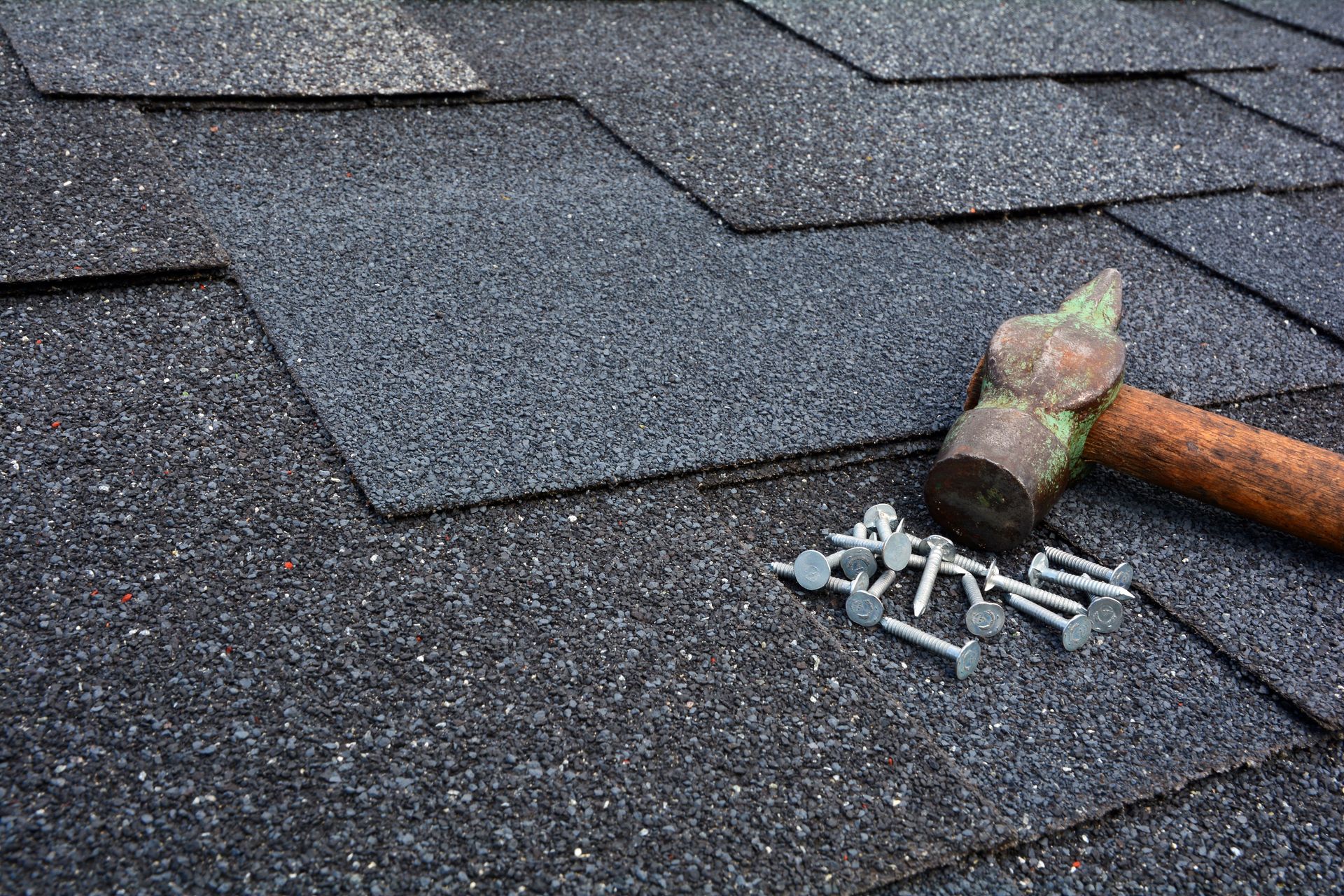
- Missing, cracked, curling, or visibly damaged shingles.
- Loose or deteriorating flashing around chimneys, vents, and other roof penetrations.
- Water stains on ceilings or walls.
- Granules are collecting in gutters or near downspouts.
- Sagging areas or visible irregularities along the roofline.
- Damp insulation, musty odors, or signs of moisture in the attic.
These symptoms do not always indicate the same underlying problem, and some may have causes unrelated to the roof. However, they should not be ignored, particularly when several signs appear together or develop after a storm. Scheduling roofing repairs as soon as damage is identified can help prevent minor issues from spreading and causing more extensive problems.
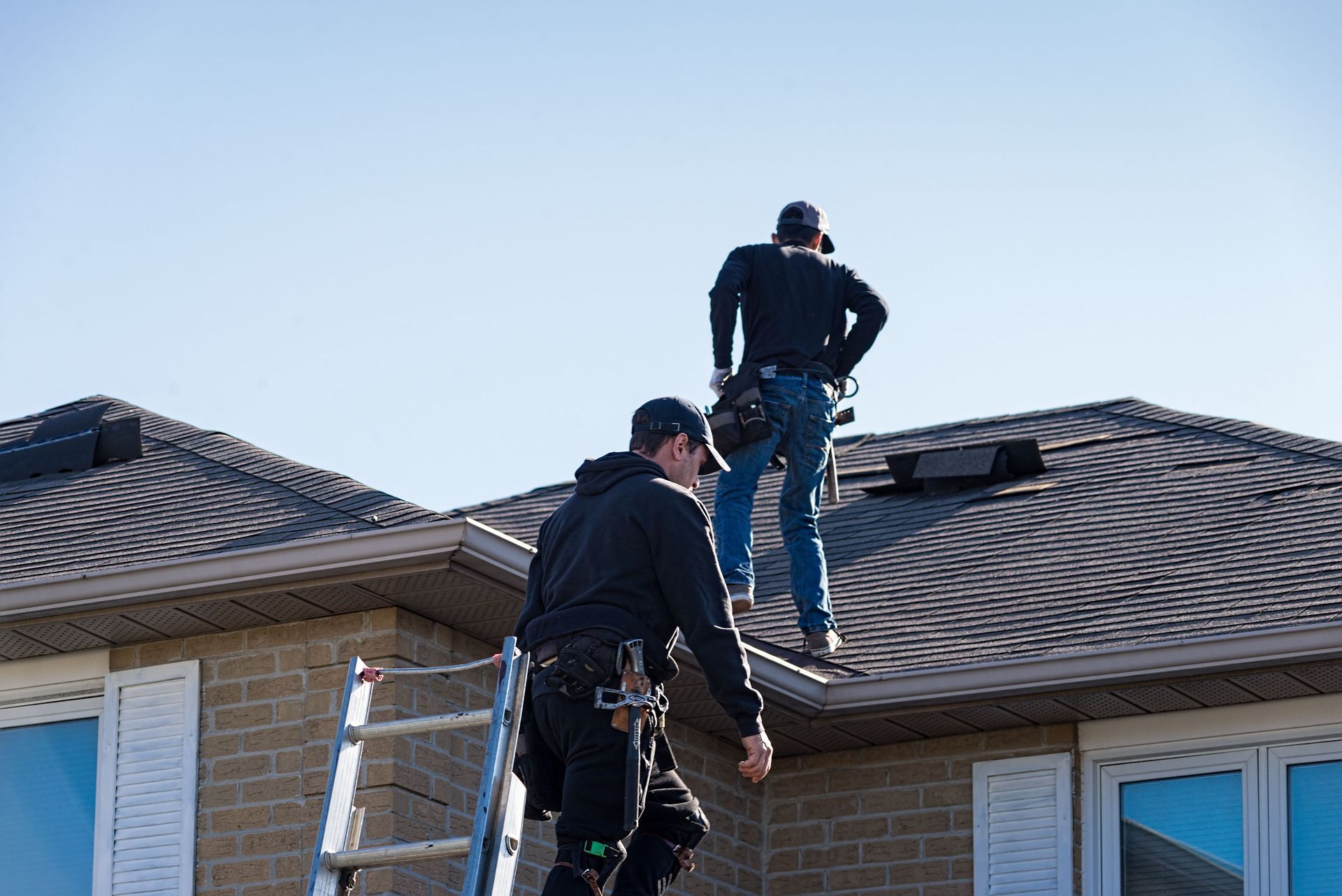
Homeowners should avoid climbing onto a damaged roof to investigate these concerns themselves. Roof surfaces can be slippery, unstable, or difficult to navigate safely. Instead, arrange a professional assessment to determine the cause of the problem and the appropriate next steps.
Schedule Professional Service Before Problems Worsen
Timely maintenance starts with knowing when to request professional help. Homeowners do not need to wait for an active leak or major storm damage before contacting a roofing contractor. Visible deterioration, recurring moisture, and concerns about aging materials can all justify an inspection and help determine whether roofing repairs are necessary.
A professional can assess the affected area, identify potential sources of water intrusion, and recommend an appropriate solution. The necessary work will depend on the roof's condition, the type of materials involved, and the extent of the damage. Some situations may require a localized repair, while more extensive deterioration may call for a broader evaluation.
Homeowners can make the process easier by noting when the problem first appeared, photographing visible signs from a safe location, and describing any recent weather events. This information can help the contractor understand the issue and determine what needs further investigation.
Make Preventive Maintenance Part of Homeownership
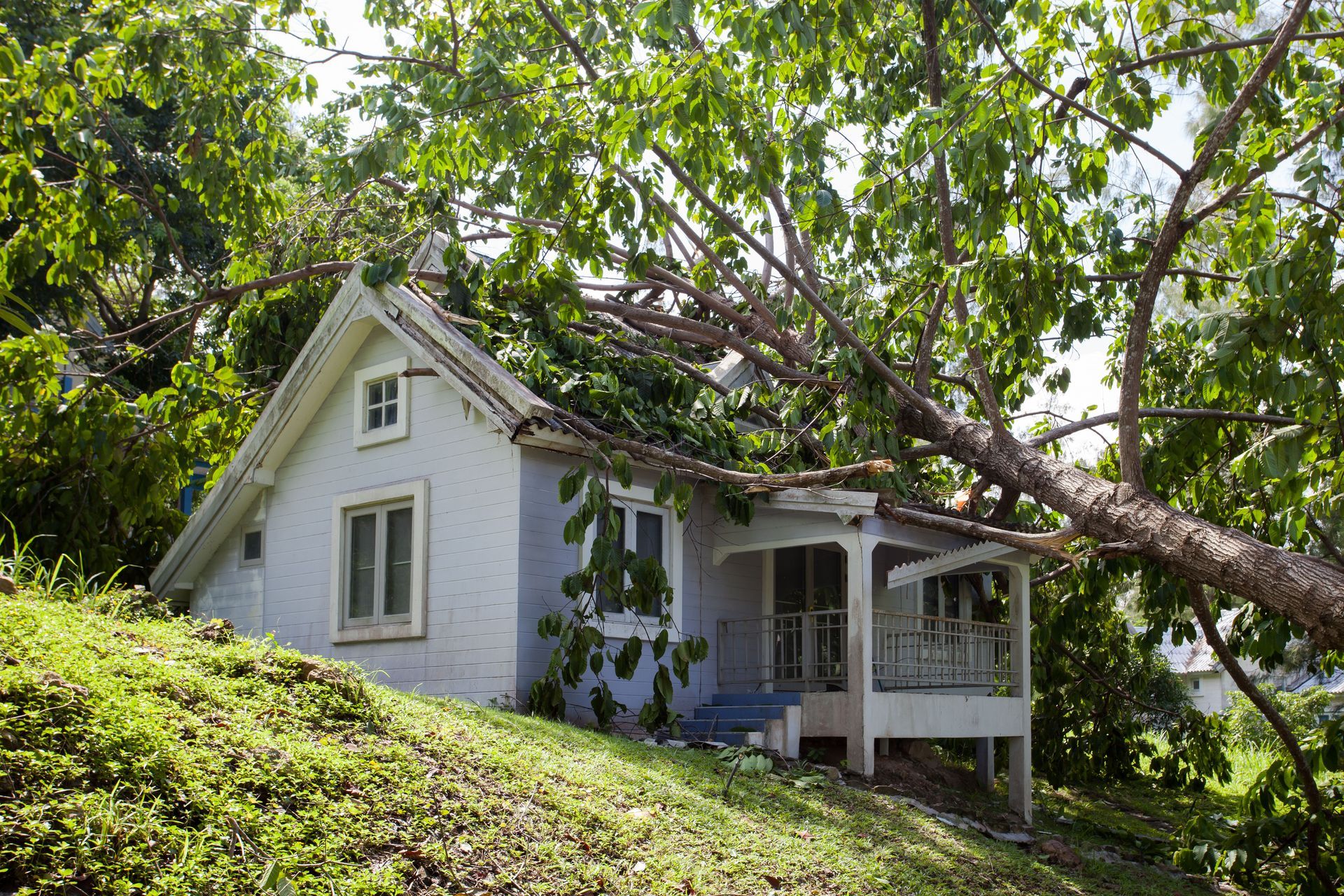
Roof maintenance is most effective when it becomes a regular part of home care. Homeowners can monitor visible conditions throughout the year, keep gutters clear when it is safe to do so, and arrange inspections when the roof shows signs of wear or after significant weather events. Addressing concerns early can help identify the need for roofing repairs before minor damage develops into a more costly problem.
A simple checklist can help homeowners stay organized:
- Look for visible shingle damage from the ground.
- Check ceilings and upper-floor walls for new stains.
- Monitor the attic for moisture or unusual odors when access is safe.
- Pay attention to debris or shingle granules collecting around the home.
- Schedule a professional inspection when concerns arise.
- Address recommended work before minor problems have time to spread.
Preventive maintenance does not mean every roof issue can be predicted or avoided. Storms, falling branches, and normal material deterioration can still cause damage. However, monitoring the roof and responding quickly to warning signs can reduce the chance that a manageable problem will become a major disruption. Taking these steps helps homeowners protect their property and determine when professional roofing repairs are necessary.
Protect Your Home With Timely Roofing Care
Waiting for a roofing emergency can expose a home to avoidable water damage, higher repair costs, structural deterioration, and unnecessary stress. Small warning signs deserve attention because roofing problems often become more complicated when they are left unresolved. Scheduling roofing repairs promptly, monitoring the roof, and arranging professional evaluations can help homeowners protect their property year-round.
If you have noticed roof damage or want to address a potential problem before it becomes an emergency, contact Chen's Roofing & Construction to discuss your roofing needs and schedule professional service.