October 20, 2026
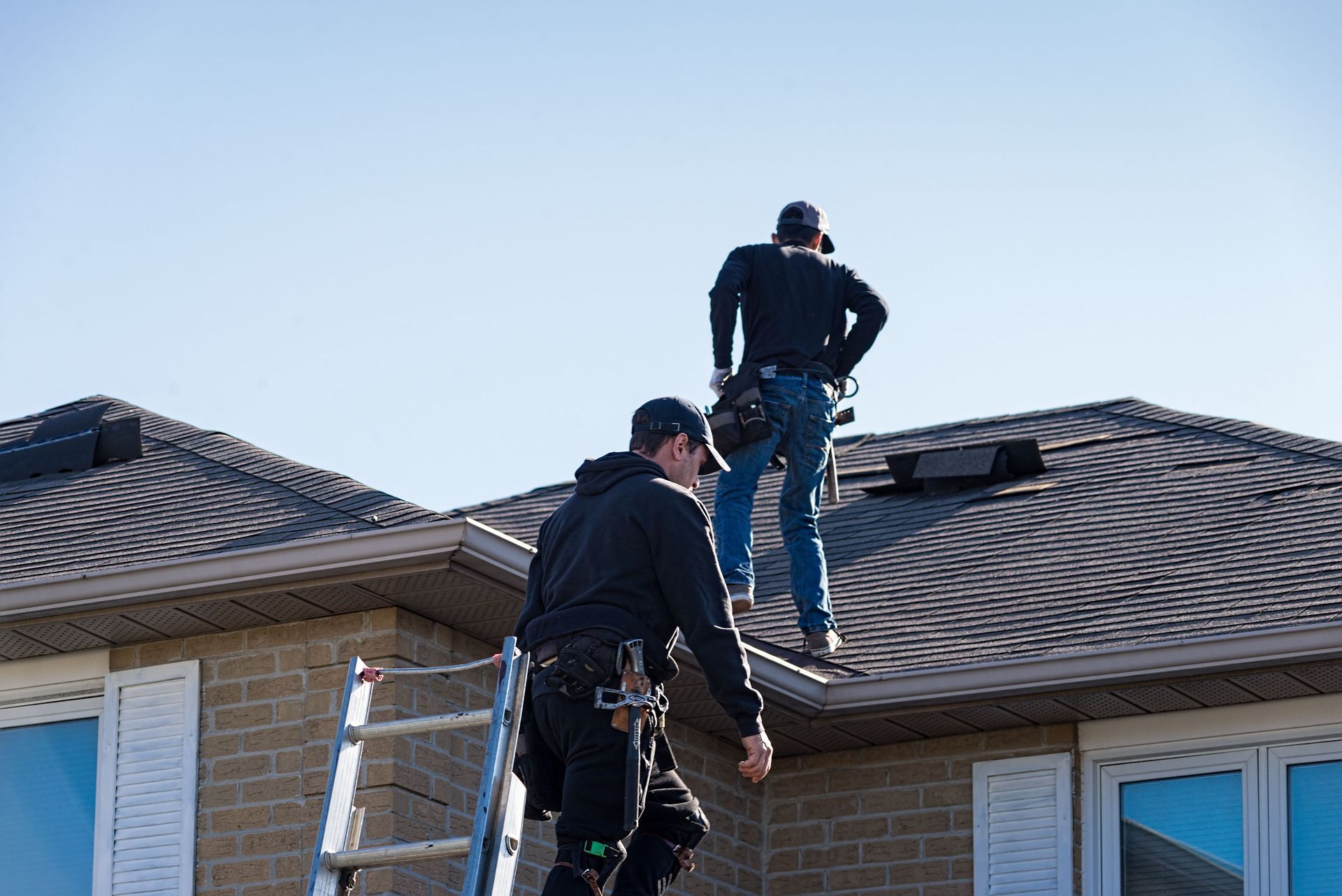
A roofing project can reveal problems that were not visible during the initial inspection. Once existing materials are removed, contractors may discover weakened decking, deteriorated framing, moisture damage, or structural connections that need attention. These findings can affect the original scope of work, project schedule, and overall cost. Experienced roofing companies understand that unexpected structural conditions require careful evaluation before installation can continue safely.
According to Roofing Snapshot, the U.S. roofing contractors market is valued at approximately $92.5 billion in 2026, with roughly 101,679 businesses operating nationwide. The industry employs approximately 166,700 roofers, with employment projected to grow 6% through 2034. These figures reflect the scale of a trade responsible for protecting buildings and addressing complicated construction conditions. Understanding how professionals respond to unexpected structural problems can help property owners approach roofing projects with realistic expectations.
Identifying Hidden Structural Damage
Examining Exposed Roof Decking
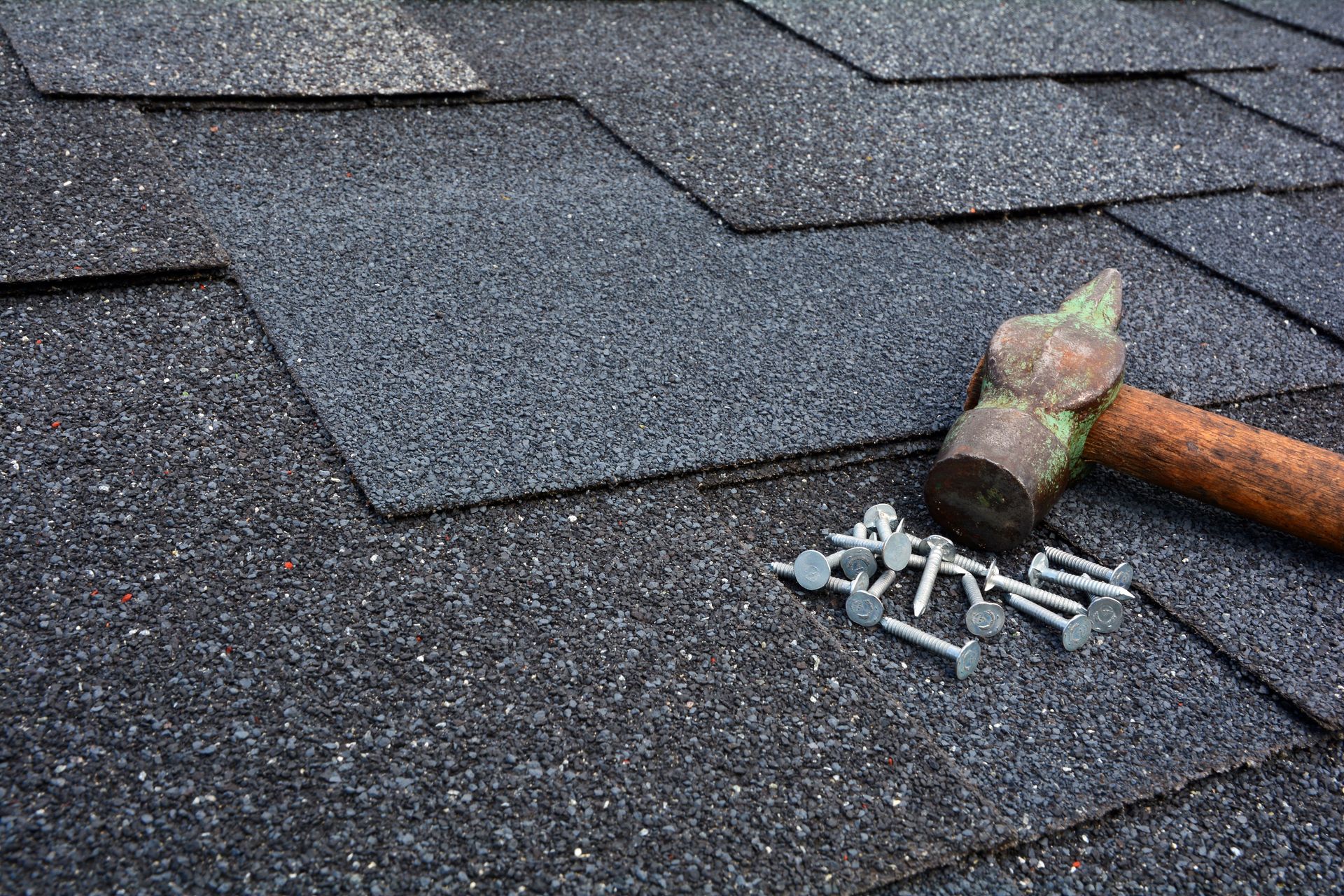
Removing old roofing materials exposes the decking underneath, allowing contractors to examine surfaces previously concealed by shingles or other coverings. Soft spots, deterioration, and damaged panels may indicate that the supporting surface cannot adequately hold new materials.
Recognizing Moisture-Related Deterioration
Water can penetrate roofing assemblies long before visible interior leaks develop. Prolonged exposure may weaken wood components, damage fasteners, or contribute to decay. Contractors examine affected areas to understand how far moisture has traveled and whether additional materials require evaluation.
Evaluating Framing Irregularities
Uneven roof surfaces sometimes indicate problems involving rafters, trusses, or other supporting components. Professional roofing companies recognize when unusual movement, sagging, or structural deformation requires closer examination rather than simply covering the affected area with new materials.
Documenting Unexpected Conditions
Photographs, measurements, and written observations help establish what contractors discovered after opening the roof. Documentation provides property owners with a clearer explanation of the problem and supports discussions about additional work.
Assessing the Severity of Structural Problems
Determining the Extent of Damage
Not every damaged component represents the same level of concern. A localized decking problem may require limited corrective work, while widespread deterioration could indicate a more complicated structural condition.
Evaluating Load-Bearing Components
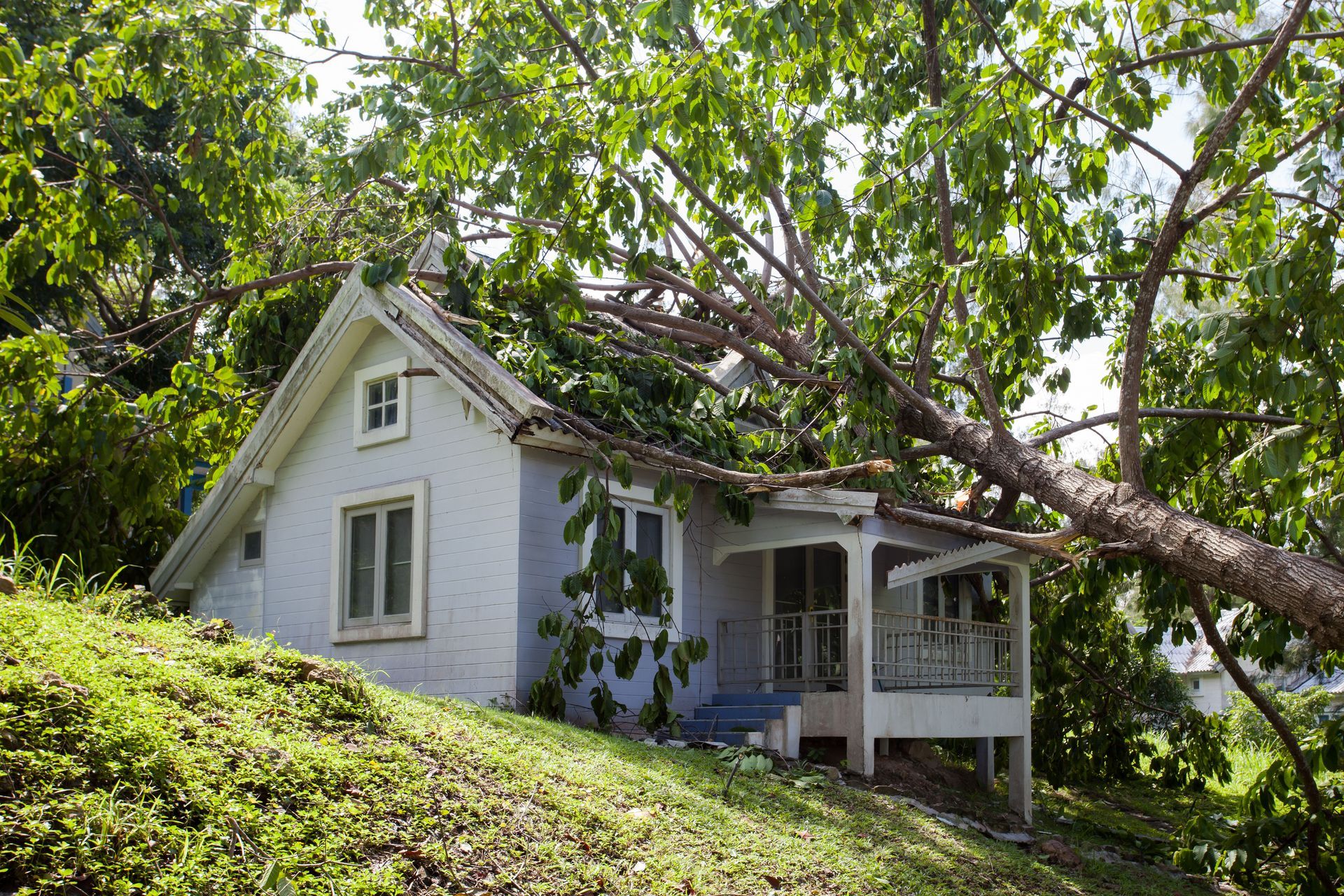
Roof framing supports the weight of roofing materials and helps the building withstand environmental forces. When damage involves structural supports, the situation may require evaluation by a qualified structural engineer or other appropriate professional.
Identifying Immediate Safety Concerns
Some discoveries create hazards for workers or building occupants. Severely weakened framing, unstable surfaces, or evidence of significant structural movement may require work to stop temporarily. Experienced roofing companies prioritize identifying these conditions before proceeding with activities that could place additional stress on the structure.
Distinguishing Repairs From Larger Corrections
A damaged panel and a compromised framing assembly require different responses. Contractors consider whether the issue can be addressed within the roofing project or requires specialized structural work.
Adjusting the Original Project Scope
Explaining Newly Discovered Work
Unexpected damage can change the agreement between the contractor and property owner. Before additional work proceeds, contractors should explain what was discovered, why the condition matters, and how the proposed correction relates to the original installation.
Reviewing Additional Material Requirements
Structural corrections may require replacement decking, framing materials, connectors, or other components that were not included in the original estimate. Material availability and compatibility can influence the revised scope.
Updating Labor and Cost Estimates
Additional structural work may increase labor requirements and project expenses. Professional roofing companies communicate revised estimates so property owners can review the financial implications before authorizing changes. Written change orders can clarify the work involved, associated costs, and any adjustments to the original agreement.
Coordinating Required Approvals
Depending on the nature of the structural issue, additional permits, inspections, or engineering documentation may be necessary. Requirements vary by jurisdiction and project scope. Contractors coordinate applicable approvals before proceeding with work that must satisfy local building regulations.
Protecting the Property During Corrections
Securing Exposed Roofing Areas
When structural problems interrupt installation, exposed areas may need temporary weather protection. Contractors consider upcoming weather conditions and the vulnerability of the opened roof. Appropriate temporary coverings can help limit additional moisture exposure while necessary decisions or repairs are completed.
Managing Weather-Related Delays
Rain, strong winds, and changing temperatures can complicate structural corrections. Contractors may need to adjust their schedule when conditions make exposed-roof work unsafe or unsuitable. Protecting the property takes priority over maintaining an unrealistic completion date.
Limiting Disruption to Occupied Spaces
Structural repairs may create additional noise, vibration, or temporary access restrictions. Experienced roofing companies communicate these concerns so occupants understand how the work could affect daily activities. Coordination becomes particularly important when repairs occur above occupied rooms or involve multiple construction crews.
Maintaining Safe Work Conditions
Unexpected structural deterioration can change the hazards associated with a roofing project. Contractors reassess access, equipment placement, and working surfaces as conditions evolve. When necessary, they coordinate with qualified specialists to address risks associated with weakened structural components.
Coordinating Specialized Structural Repairs
Consulting Structural Professionals
Significant framing damage or unusual structural movement may require expertise beyond ordinary roof installation. A structural engineer can evaluate load-bearing conditions and recommend appropriate corrective measures. Contractors use those findings to coordinate roofing work with the broader structural requirements of the building.
Addressing Damaged Supporting Materials
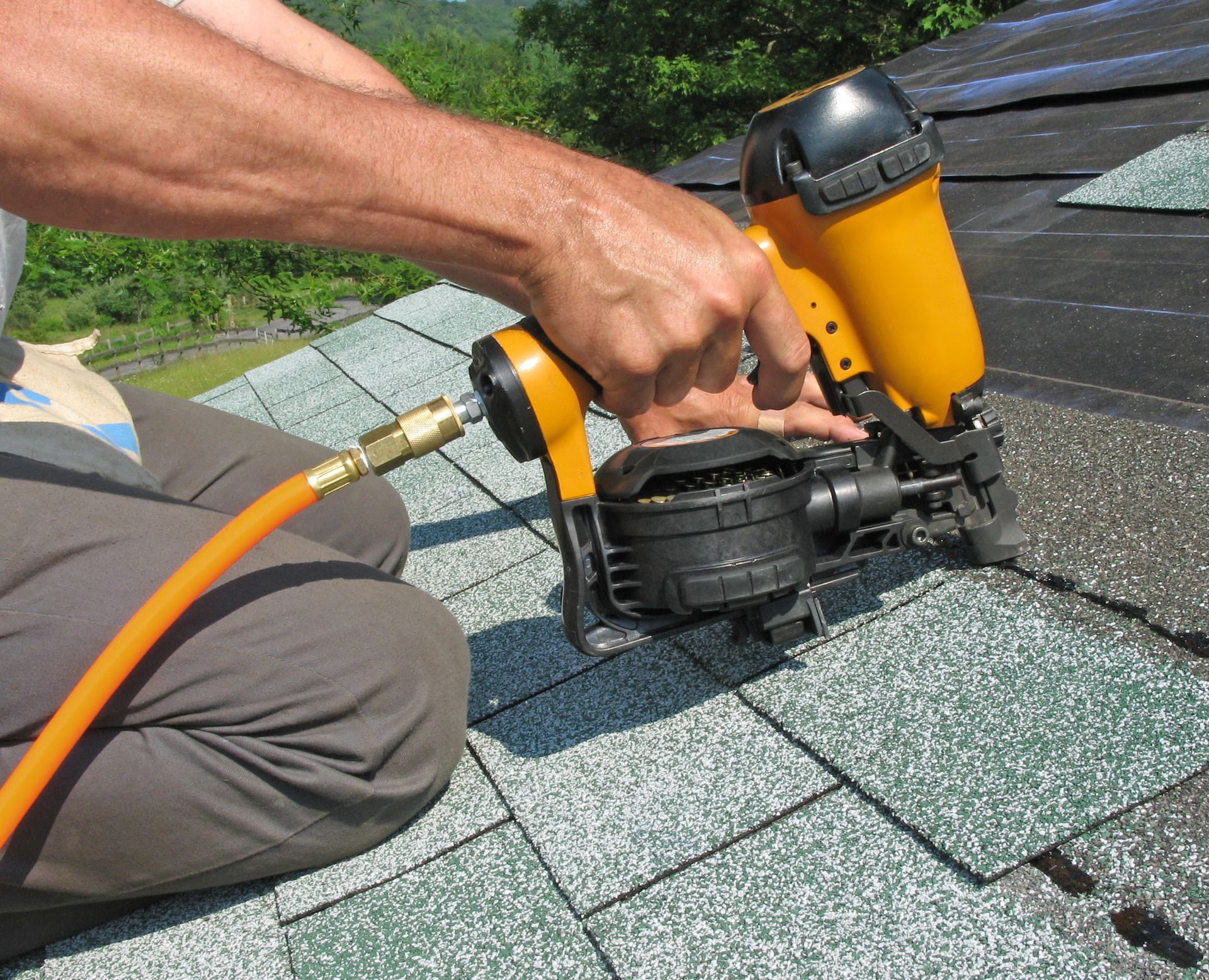
Structural corrections may involve replacing deteriorated wood, reinforcing existing components, or addressing damaged connections. The appropriate solution depends on the building's design and the professional assessment of the problem. Repairs must restore suitable support before new roofing materials are installed.
Coordinating Multiple Construction Trades
Some problems extend into areas involving carpentry, masonry, ventilation, or other building systems. Professional roofing companies coordinate with qualified tradespeople when the required work falls outside the original roofing scope. Effective coordination helps prevent conflicting repairs and unnecessary delays.
Confirming Structural Readiness
Before installation resumes, contractors verify that required structural corrections have been completed and applicable inspections or approvals have been obtained. This checkpoint helps ensure that the new roofing system will be installed over an appropriate supporting structure rather than concealing unresolved damage.
Completing the Project After Structural Corrections
Revising the Installation Schedule
Unexpected repairs can affect material deliveries, crew availability, and the overall project timeline. Contractors establish a revised schedule based on the completed corrections and remaining roofing work. Communicating these changes helps property owners plan around the updated completion date.
Verifying Roofing System Compatibility
Structural modifications may influence how new roofing materials connect with decking, flashing, ventilation components, or surrounding features. Contractors review these relationships to ensure the completed installation functions as intended and follows applicable manufacturer requirements.
Reviewing Completed Work
Professional roofing companies inspect completed roofing work for installation quality, visible defects, and consistency with the revised project scope. Any required building inspections provide additional oversight where applicable. Final documentation can also help property owners understand which structural components received attention.
Explaining Future Maintenance Considerations
After structural corrections, homeowners benefit from understanding what was repaired and whether any areas require continued observation. Contractors can discuss relevant inspection intervals, warranty information, and warning signs that deserve professional attention. Keeping project records may also simplify future maintenance or property transactions.
Unexpected structural issues can complicate roofing projects, but careful evaluation, clear communication, and appropriate corrective work help keep construction moving responsibly. Hidden deterioration, damaged framing, and other concerns deserve attention before new roofing materials conceal them. Property owners planning a roofing project can contact Chen's Roofing & Construction today to discuss professional inspections, installation needs, and solutions for structural concerns discovered during construction.