September 18, 2026
Embarking on a major exterior improvement project is a significant investment in the safety, comfort, and curb appeal of your property. Homeowners understandably anticipate the completion of these projects with eager enthusiasm, looking forward to the peace of mind that a sturdy, brand-new exterior provides. However, construction projects of this scale are inherently complex and susceptible to various unpredictable hurdles. When you hire a professional roofing company to handle your property, they work diligently to adhere to the agreed-upon timeline. Nevertheless, certain variables remain entirely outside of human control or require immediate attention before moving forward. Recognizing these potential obstacles early in the process helps homeowners maintain realistic expectations and reduces the frustration that often accompanies unexpected shifts in scheduling. By familiarizing yourself with the common culprits that disrupt construction timelines, you can foster a more collaborative and understanding relationship with the professionals working on your home. Let us explore the primary factors that might temporarily pause the progress of your upcoming home improvement project, ensuring you are fully prepared for every phase of the process.
Encountering Unpredictable Weather Conditions
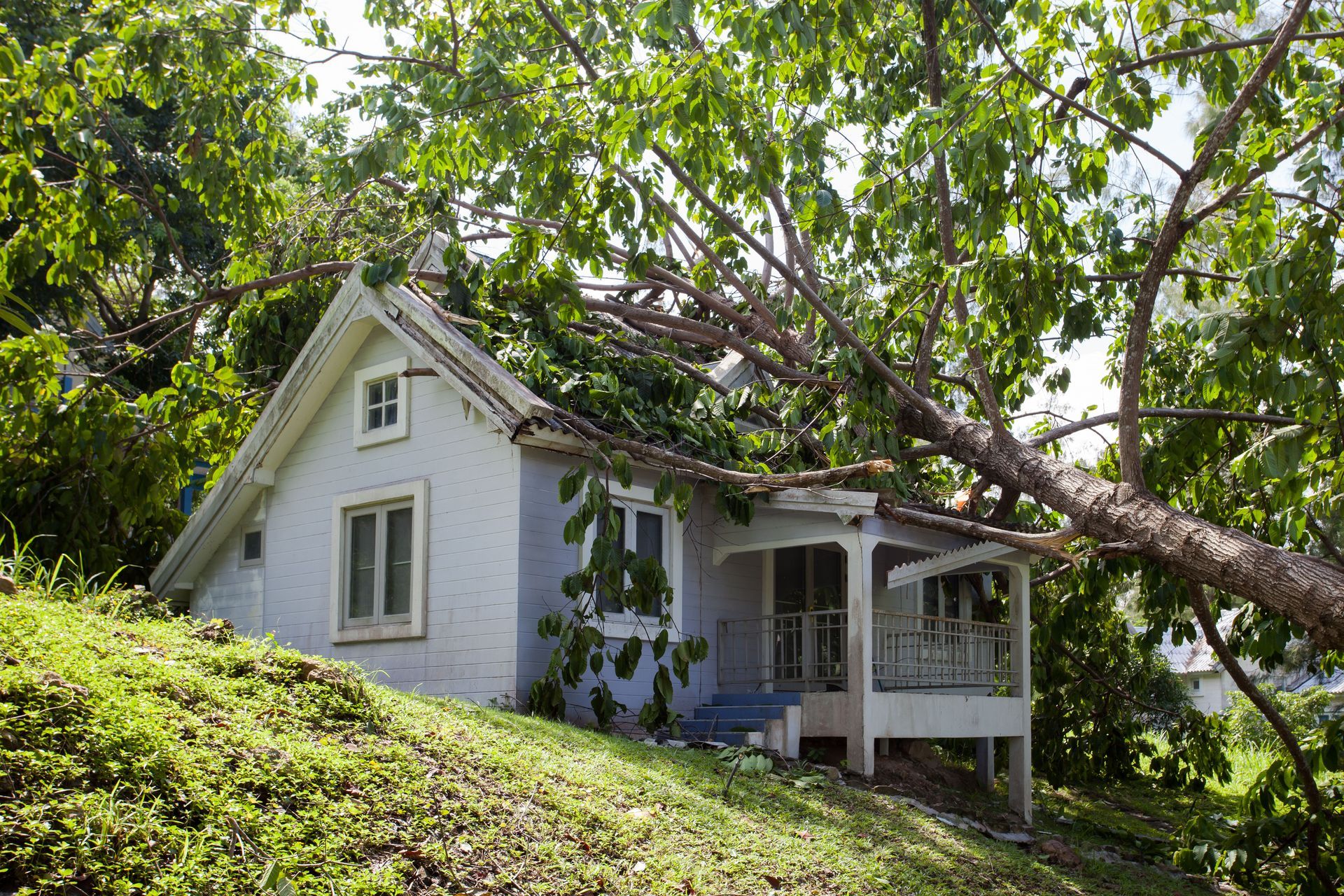
The most frequent and arguably the most frustrating cause of unexpected pauses in construction timelines is the weather. The environment plays a dictatorial role in outdoor home improvement projects, as safety and material integrity must always remain the highest priority. A dedicated roofing company constantly monitors local meteorological forecasts to determine if conditions are suitable for their crews to operate safely at significant heights. Working on steep, elevated surfaces becomes immensely hazardous when moisture or strong gusts are present in the atmosphere. According to HomeGuide, roof installation will be delayed by precipitation, heavy winds, or temperatures below 40 degrees F. When moisture compromises the work area, surfaces become incredibly slippery, putting the installation crew at immense risk of serious injury. Furthermore, certain materials require specific temperature ranges to adhere properly to the underlying structure. If the environment is excessively cold, shingles might become brittle and fail to seal correctly, which compromises the longevity and effectiveness of the entire system. Therefore, pushing through adverse environmental conditions is never a viable option. Professional contractors will always choose to pause operations rather than compromise the safety of their team or the quality of the final product, meaning homeowners must remain flexible when Mother Nature refuses to cooperate.
Experiencing Supply Chain Disruptions
Another significant factor that often extends the duration of a home improvement project involves the intricate global supply chain. The construction industry frequently faces unpredictable challenges regarding the manufacturing, shipping, and delivery of essential building materials. When you choose specific shingles, underlayment, or flashing for your home, your chosen roofing company must source these exact items from various manufacturers and distributors. Occasionally, a particular style, color, or brand of material experiences a sudden surge in popularity, leading to widespread backorders and severely depleted stock levels across the region. Additionally, logistical disruptions at manufacturing plants or freight transportation facilities can prevent essential components from reaching the local distributor on time. If your chosen materials are delayed in transit, the installation crew cannot simply substitute them without your explicit approval, which inherently pauses the entire operation until the correct items arrive. While contractors strive to order materials well in advance to prevent these frustrating logistical nightmares, sudden supply chain bottlenecks can still occur unexpectedly. Navigating these supply shortages requires open communication and patience, as your contractor works diligently behind the scenes with suppliers to expedite the delivery process and get your project back on track.
Discovering Hidden Structural Damage
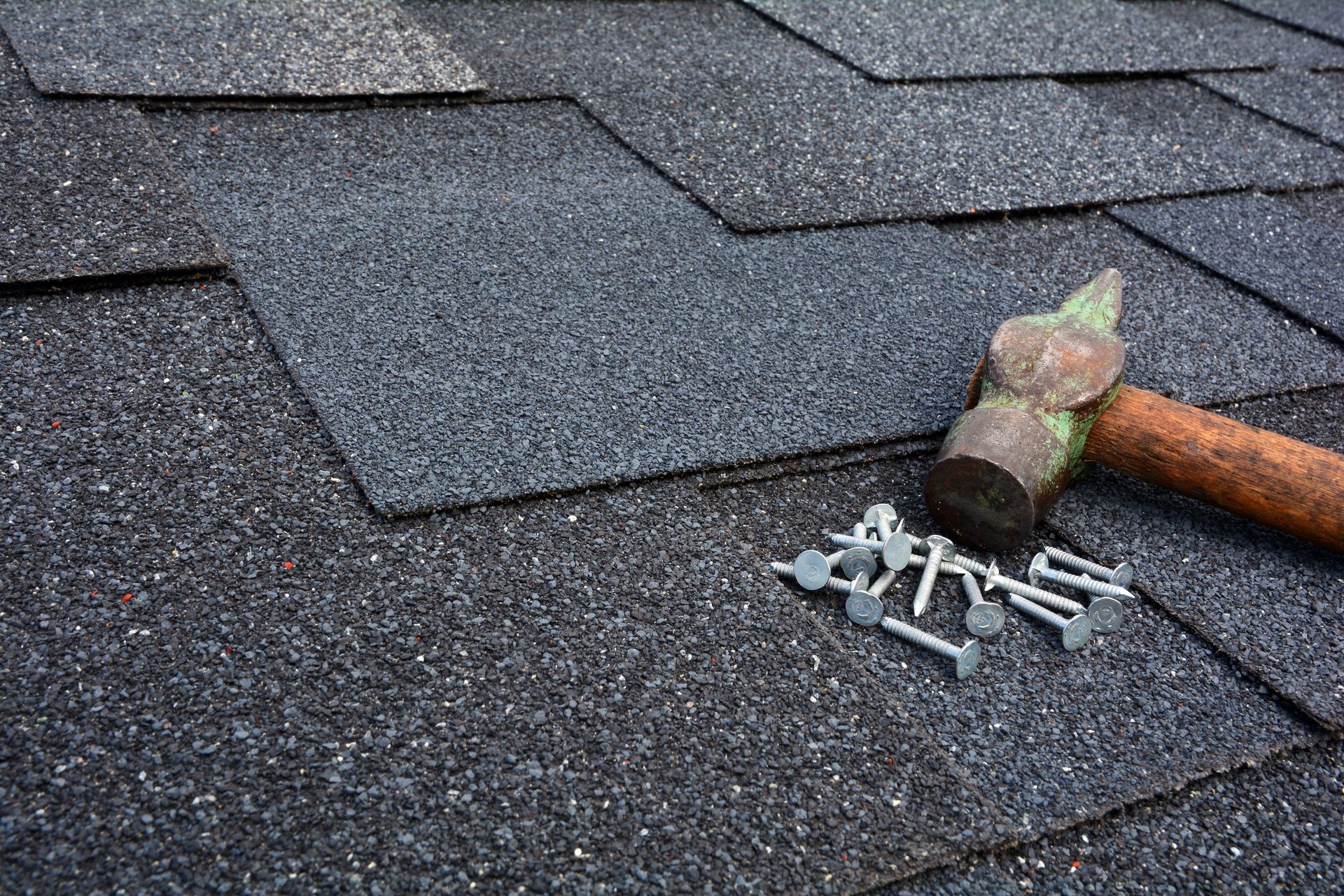
When professionals begin tearing away the old exterior layers of your home, they occasionally uncover hidden issues that were completely invisible during the initial inspection. The decking, rafters, and underlying support structures must be in absolute pristine condition to support the heavy weight of brand-new materials. If a roofing company discovers severe rot, pervasive moisture damage, or compromised structural integrity once the old shingles are removed, they must halt the installation process immediately. Building codes and fundamental safety standards require contractors to address and repair these underlying structural failures before placing new materials on top. Installing a new system over rotting wood is incredibly dangerous and guarantees premature failure of the entire structure. Fixing these concealed problems requires additional labor, unique supplies, and extra time that was not accounted for in the original project timeline. While discovering structural damage is undoubtedly frustrating and often requires an adjustment to the overall budget, resolving these critical issues is absolutely essential for the long-term safety of your residence. It ensures that the final product provides a solid, secure, and impenetrable barrier against the elements for decades to come.
Navigating Complex Permit Approvals
Navigating the bureaucratic landscape of local government regulations is another common hurdle that can unexpectedly postpone the commencement of your home improvement project. Before any major structural alterations can occur, contractors must submit detailed plans and applications to the local municipal office to secure the appropriate building permits. Every city and county maintains a unique set of zoning laws, historical preservation guidelines, and building codes that must be strictly followed. A reputable roofing company will always ensure that every piece of paperwork is meticulously prepared and filed according to the letter of the law. However, municipal offices frequently experience high volumes of applications, administrative backlogs, or unexpected staffing shortages, which can severely slow down the approval process. If the local government is sluggish in processing the necessary documentation, your project simply cannot legally begin until the finalized permit is physically issued and posted at the job site. Attempting to bypass these legal requirements can result in severe fines, immediate stop work orders, and immense legal complications for the homeowner. Consequently, tremendous patience is necessary while the administrative authorities review and approve the planned construction activities for your property.
Managing Contractor Scheduling Conflicts
The construction industry operates on a highly delicate and interconnected schedule that requires precise coordination of manpower, equipment, and resources. When you secure a spot on a contractor schedule, your project is intricately linked to the completion of all the jobs scheduled immediately before yours. If an unexpected delay occurs on a prior jobsite, it creates a cascading effect that inevitably pushes back the start date of subsequent projects. An experienced roofing company will do everything in its power to build a reasonable buffer into its seasonal schedule to accommodate these unforeseen circumstances. However, an unusually long string of severe storms, widespread illness among the labor force, or extended material shortages on other properties can completely overwhelm these preventative buffers. High demand during peak construction seasons further exacerbates scheduling complications, as skilled labor is stretched incredibly thin across the region. When these overlapping delays occur, contractors must carefully reorganize their crew deployments to ensure every client receives the focused attention and high-quality craftsmanship they deserve. Maintaining ongoing, transparent communication with your project manager will ensure you remain continuously updated regarding any shifting arrival times or calendar adjustments.
Preparing for a major home improvement project involves understanding the various external factors that can influence the overall timeline. From unpredictable weather patterns and supply chain disruptions to hidden structural damage and bureaucratic administrative hurdles, numerous elements exist beyond immediate human control. Acknowledging these potential setbacks allows homeowners to approach the process with a flexible mindset, alleviating unnecessary stress when the schedule inevitably fluctuates. Securing a dependable and communicative roofing company is the most effective strategy for smoothly navigating these unexpected challenges. Expert contractors prioritize safety, structural integrity, and legal compliance above sheer speed, ensuring that the final outcome stands the test of time. Open dialogue and mutual understanding between the homeowner and the installation crew ultimately lead to a more pleasant and successful construction experience. If you are ready to upgrade your home with a beautiful, durable, and expertly installed exterior system, reach out to the dedicated professionals in your area. Call Chen's Roofing & Construction today to learn more about scheduling an inspection and receiving a comprehensive project estimate tailored to your specific needs.